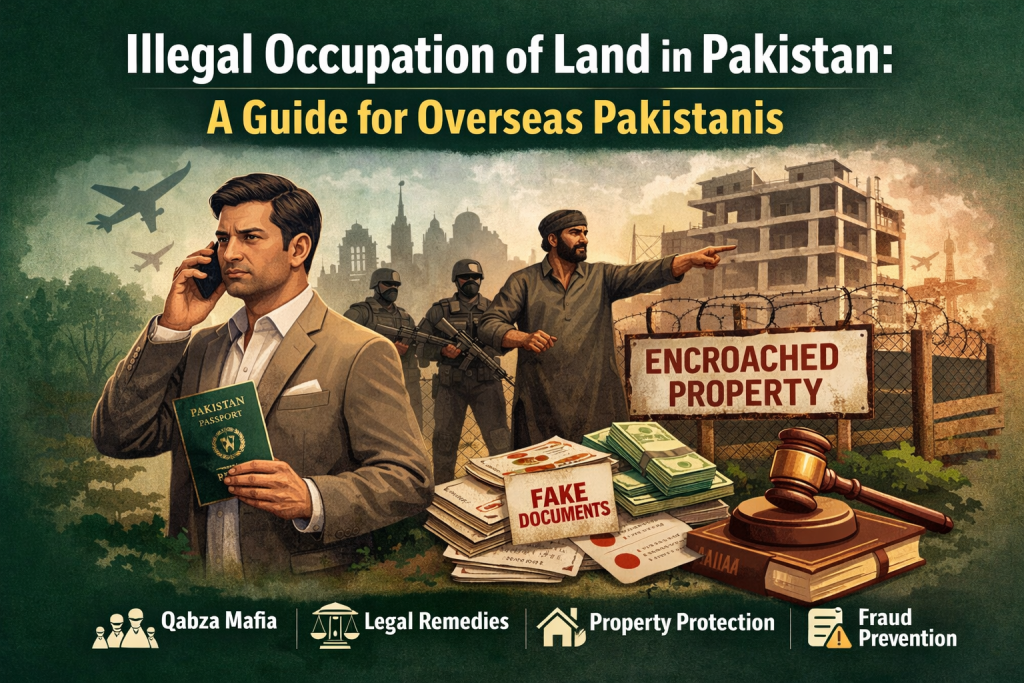
Verify property ownership in Pakistan is the most critical step before purchasing any property, whether you are a local buyer or an overseas Pakistani handling matters remotely. Property disputes, fraudulent sales, duplicate registries, forged Power of Attorneys, and hidden inheritance issues are common problems in Pakistan. Many buyers lose money or face long legal battles simply because they did not verify the property properly before payment.
Table of Contents
This detailed guide provides 7 essential steps to verify property ownership in Pakistan, ensuring your investment is legally secure, dispute-free, and financially safe.
Step 1: Verify Property Ownership in Pakistan Through Official Land Records
The first and most reliable way to verify property ownership in Pakistan is to check the official land records maintained by government authorities. This step is crucial because only verified records guarantee that the property is legally registered in the seller’s name.
Where to verify:
- Punjab: Punjab Zameen (Land Records Management)
- Sindh: Sindh Zameen Portal
- Khyber Pakhtunkhwa: KP Land Records Information System
- Islamabad: CDA / ICT Land Revenue Office
What to check:
- Owner’s full name matches the CNIC/NICOP
- Classification of property (residential, commercial, agricultural)
- Mutation records (Intiqal)
- Any recent transfers or sales
Why it matters:
Over 50% of property scams in Pakistan involve fake ownership claims. Always rely on official records, not verbal assurances from the seller.
Read Next: How to Draft a Secure Power of Attorney in Pakistan.
Step 2: Check the Original Title Deed to Verify Property Ownership in Pakistan
The original registry (Sale Deed) or transfer/allotment letter is the primary proof of ownership. Checking this document is mandatory.
Details to verify:
- Owner’s full name and CNIC/NICOP
- Plot number, survey number, or Khasra number
- Area measurements and property description
- Previous transactions and mutation history
Additional tip:
If buying in a housing society, request:
- Allotment letter
- Transfer letter
- No-Dues Certificate (NDC)
Why it matters:
Without the original deed, ownership verification is incomplete. Forged or photocopied deeds are a common scam tactic.
Read next: Overseas Pakistanis’ property disputes. A Complete Guide
Step 3: Confirm Khasra Numbers & Site Map to Verify Property Ownership in Pakistan
Every property in Pakistan has a unique Khasra number (agricultural land) or plot/street number (urban property). Verifying these ensures you are buying the exact plot listed in official documents.
Steps:
- Cross-check Khasra or plot number on official maps and land records
- Verify dimensions and area measurement match the registry
- Confirm property boundaries with local authorities or neighbors
Why it matters:
Scammers often sell the wrong plot. Verification of Khasra numbers eliminates this risk and ensures legal compliance.
Step 4: Check Encumbrances to Verify Property Ownership in Pakistan
Encumbrances such as mortgages, liens, or pending legal disputes can create major financial risks for buyers.
Steps:
- Request a No Encumbrance Certificate (NEC) from the local land office
- Verify bank mortgage status or existing loans against the property
- Ensure there is no ongoing litigation or court order affecting the property
- Confirm taxes and utility dues are cleared
Why it matters:
A property may look legitimate but hidden encumbrances can prevent you from taking legal ownership.
Step 5: Verify Utility Bills and Tax Receipts for Property Ownership in Pakistan
Utility bills and tax receipts are additional proof of genuine ownership. They demonstrate continuous possession and compliance with local authorities.
Documents to request:
- Latest property tax receipt
- Water, electricity, and gas bills
- Any society or municipal no-dues certificates
Tip for overseas buyers:
Request scanned copies from a trusted local representative or lawyer before transferring any payment.
Why it matters:
Unpaid bills or taxes can lead to additional liabilities for the buyer.
Step 6: Hire a Lawyer to Verify Property Ownership in Pakistan Professionally
Even if documents appear correct, a qualified lawyer specializing in property law can identify:
- Forged signatures or duplicate deeds
- Fake Powers of Attorney
- Overlapping Khasra or plot numbers
- Family inheritance disputes or missing mutation entries
Legal verification includes:
- Examining previous sale deeds
- Checking Intiqal (mutation) forms
- Ensuring PoAs are valid and notarized
- Verifying society approvals
Internal link: Learn more in: 7 Legal Mistakes Overseas Pakistanis Make While Buying Property (future blog)
Why it matters:
Legal verification reduces the risk of disputes, fraud, and property loss significantly.
Step 7: Conduct a Physical Site Visit to Verify Property Ownership in Pakistan
A physical visit to the property ensures it exists as described in the documents.
Inspection checklist:
- Confirm exact plot location and boundaries
- Check boundary walls and access roads
- Verify construction approvals if the property is built
- Check for encroachments or nearby disputes
- Measure actual area against registry
Tip for overseas buyers:
Use a trusted local representative or lawyer with a Special Power of Attorney to conduct the inspection, but only after steps 1–6 are complete.
Common Red Flags When Verifying Property Ownership in Pakistan
❌ Seller refuses to show original registry
❌ Multiple buyers claim ownership
❌ Seller pressures for urgent payment
❌ Khasra numbers mismatch official records
❌ Missing mutation entries
❌ Society refuses verification
❌ Owner has no physical possession
Avoid these warning signs to prevent scams.
Why Overseas Pakistanis Must Verify Property Ownership Properly
Overseas buyers are at higher risk due to distance and reliance on agents. Common pitfalls include:
- Unverified PoAs
- Fake or fraudulent agents
- Duplicate property sales
- Family inheritance disputes
- Unregistered housing societies
Following this 7-step verification process mitigates most risks and ensures legal security.
Conclusion
Verify property ownership in Pakistan using these 7 steps to make a secure and legally compliant property investment. Following this guide protects your financial and legal interests, whether you are a local or overseas buyer. Proper verification ensures your property purchase is free from disputes, fraud, and unnecessary legal complications.
Contact
Pakistan Legal Services
📞 Call/WhatsApp: +92-333-4241182
🌐 www.pakistanlegalservices.com